

Four agricultural workers were recently killed in Calabria, Italy, exposing the extreme human cost of labour exploitation embedded in parts of Europe’s food system. This tragedy reflects structural failures in EU agricultural and migration policies, where pressure for “competitiveness” and cheap food continues to rely on precarious and invisible labour. Agroecology cannot be credible unless it fully integrates labour rights, justice, and responsibility across the entire food chain, from field to policy.
AGROECOLOGY EUROPE
THE EUROPEAN ASSOCIATION FOR AGROECOLOGY
Latest news...
“Economics & Agroecology” Webinar
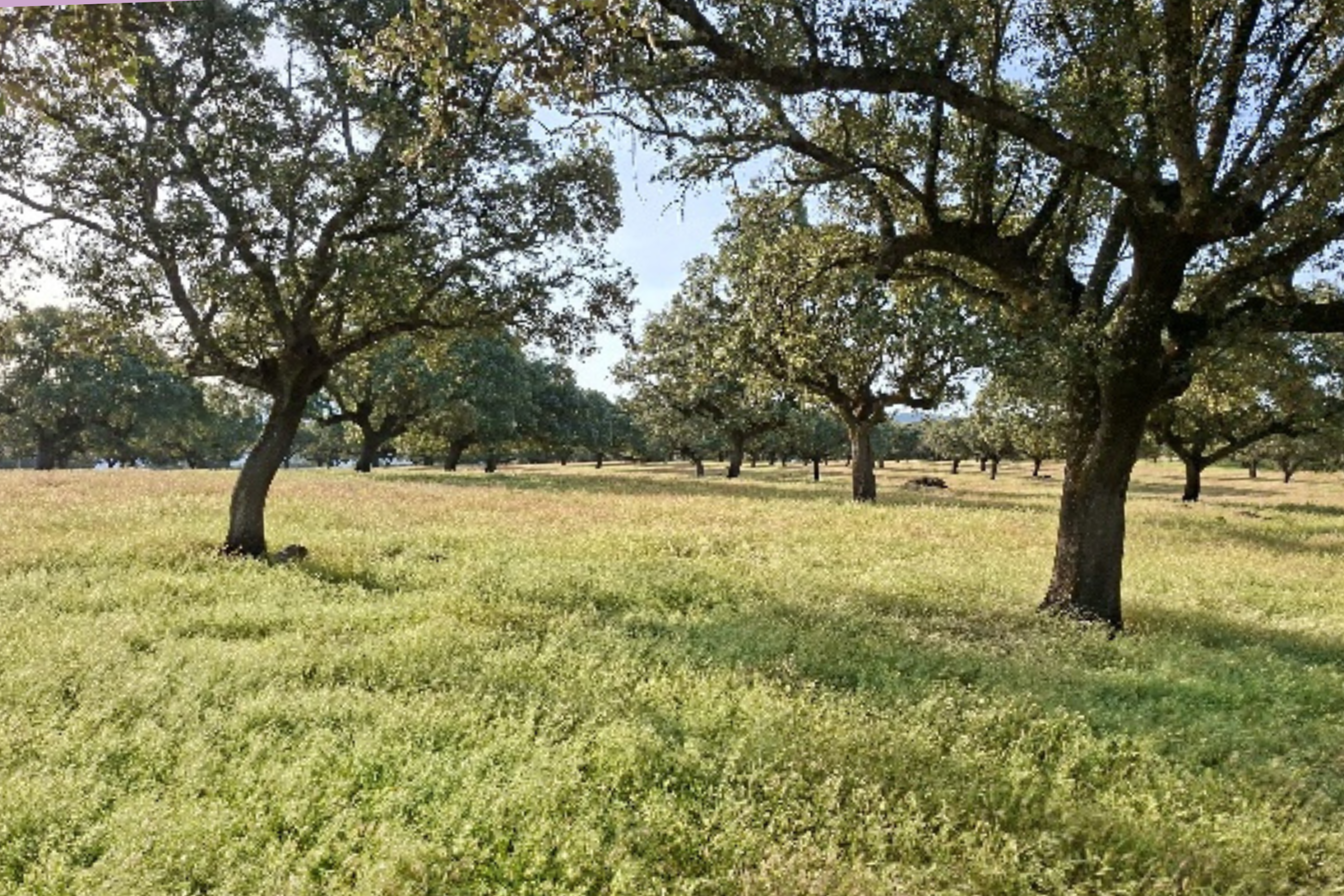
Agroecology Europe is organising a public webinar exploring how agroecology performs economically and how “economic success” is defined in sustainable food systems. It brings together research, evidence, and case studies on agroecological transitions across regions.
More than 20 European organisations warn EU against “Regenerative Greenwashing” in EU agricultural policy
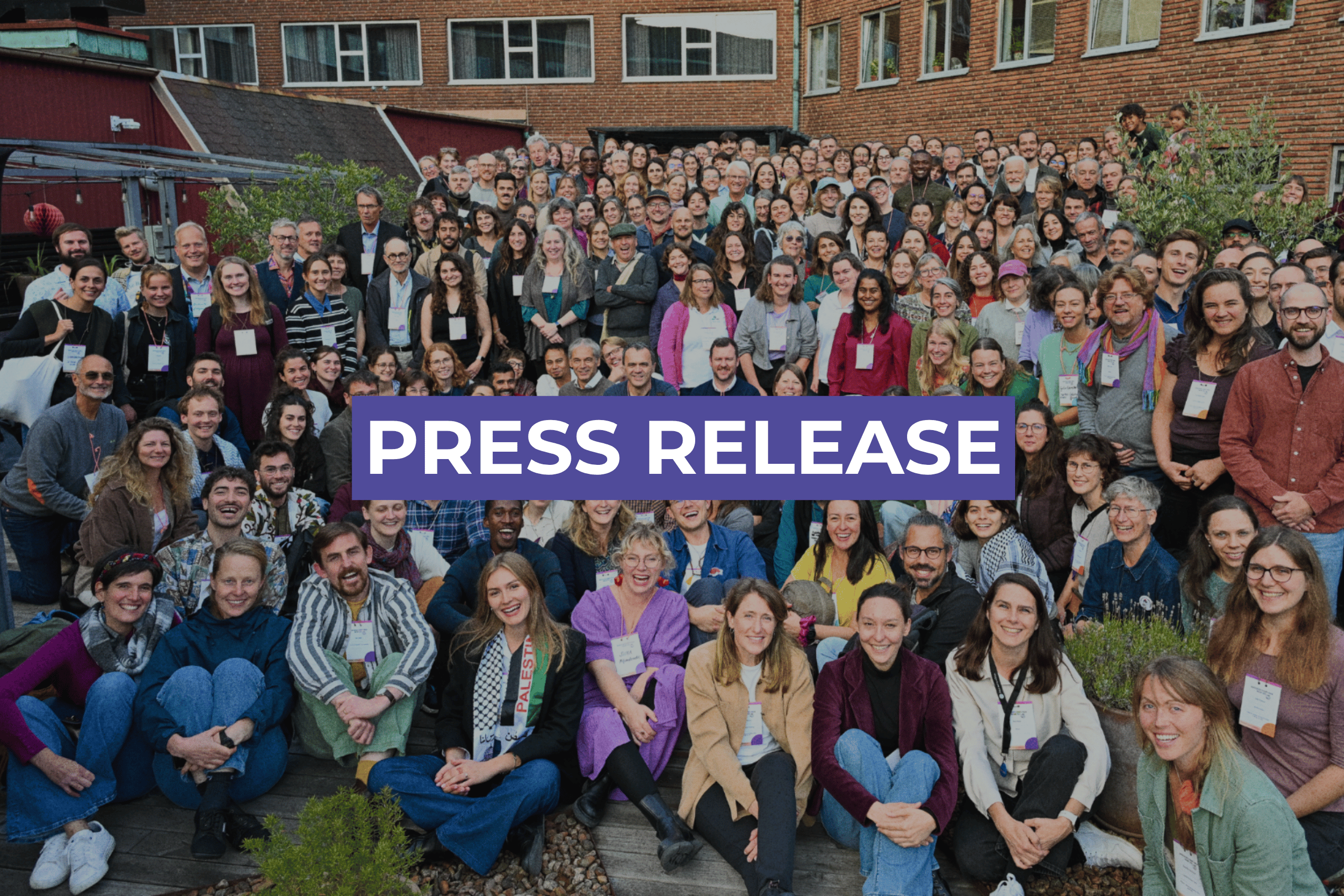
European organisations are urging EU policymakers to safeguard credible agricultural transitions by strengthening support for agroecology, organic farming and other systemic approaches. The organisations warn against the growing use of vague "regenerative agriculture" claims.
Our understanding of agroecology
Agroecology is considered jointly as a science, a practice and a social movement . It encompasses the whole food system from the soil to the organization of human societies. It is value-laden and based on core principles.
our vision
Agroecology Europe intends to place agroecology high on the European agenda of sustainable farming and food systems. We foster interaction and knowledge sharing to create an inclusive European community of professionals, practitioners, and societal stakeholders in agroecology.
Our goals
The Association has a non-profit and international goal: it aims to analyse, design, develop, and promote the transition towards agroecological farming and food systems. Our goal is to support agroecological research, education, and training, share and disseminate agroecological knowledge, and promote agroecology in the farming and food sectors and in society.