
Across Europe, many farmers, researchers and communities are already practicing agroecology, often without using that name. In some places, these initiatives are beginning to connect, making visible a broader movement rooted in farms, landscapes and local food systems. Extremadura, in western Spain, is one such region. Home to Spain’s largest expanse of dehesa – a traditional agro-silvo-pastoral landscape renowned for combining food production, biodiversity conservation and cultural heritage – it offers a striking example of agroecology emerging as a feature of the territory itself.
During a visit to the region, Agroecology Europe President Alexander Wezel met researchers, farmers, cooperatives and local organisations, including the University of Extremadura and the Centre for Organic and Mountain Agriculture (CAEM), part of the Centre for Scientific and Technological Research of Extremadura (CICYTEX).
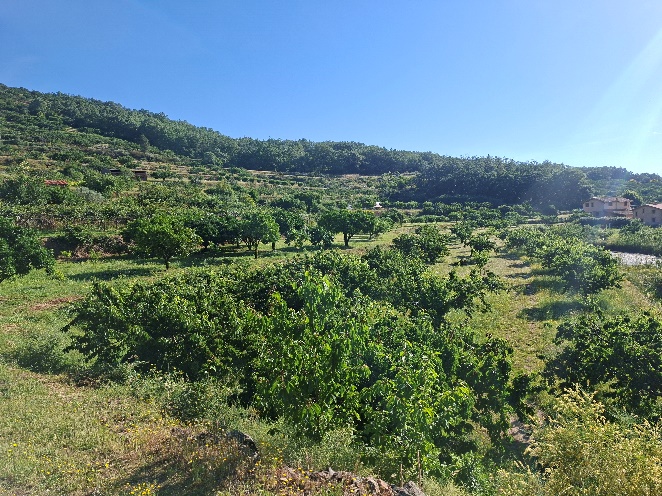
The visit revealed examples of agroecology throughout the Jerte and La Vera valleys, including:
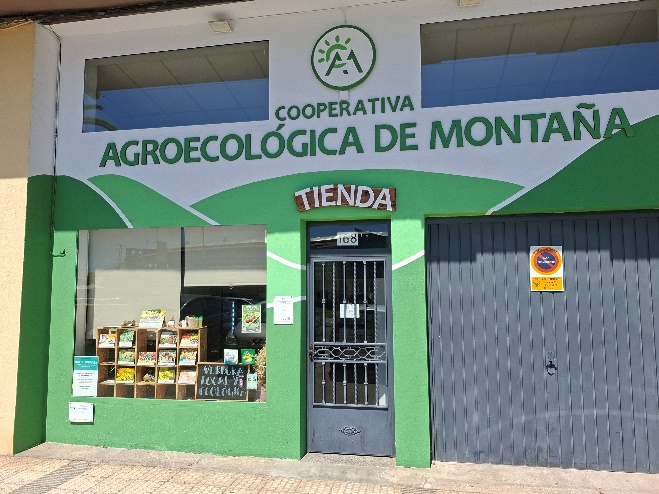
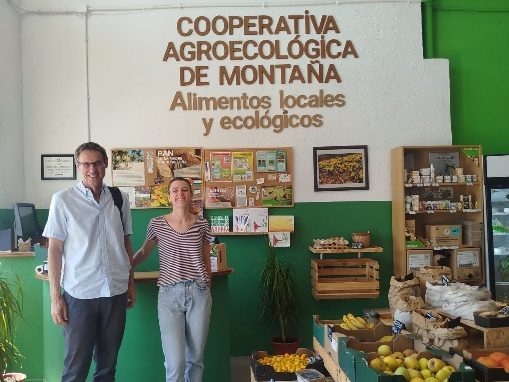
The Cooperative Agroecológica de Montaña and its agroecological food shop
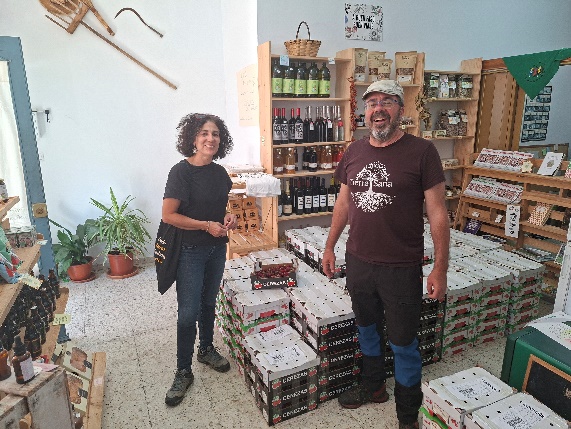
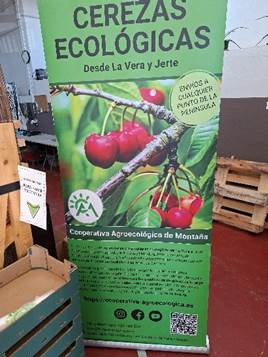
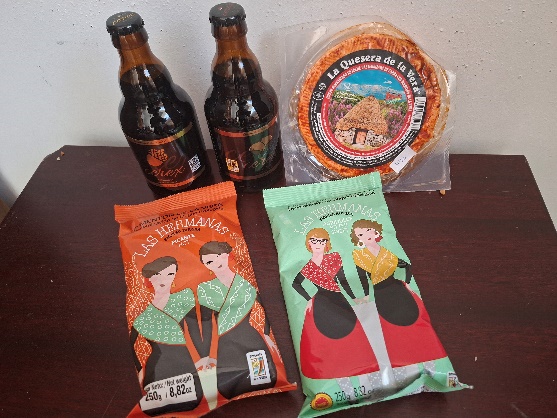
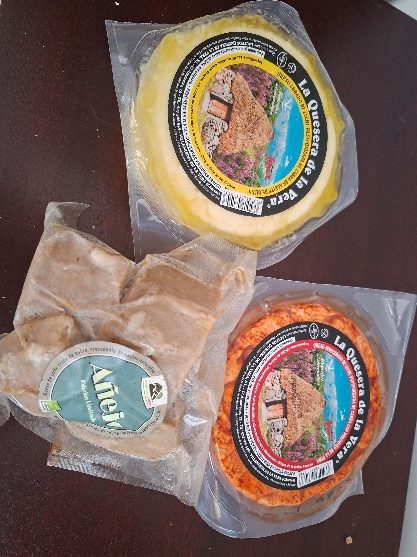
Locally produced foods including Jerte cherries, pimentón de la Vera, cheeses, and innovative products such as beers brewed using acorns and chestnuts
But standing in the Jerte Valley, it becomes clear that in Extremadura agroecology is no longer confined to individual farms: it is beginning to acquire a geography. The territorial initiative La Vera nos Alimenta is helping strengthen regional food systems by connecting producers, consumers, public institutions and civil society. The initiative also serves as a Living Lab within the European Agroecology Partnership project ALL-FACTS.
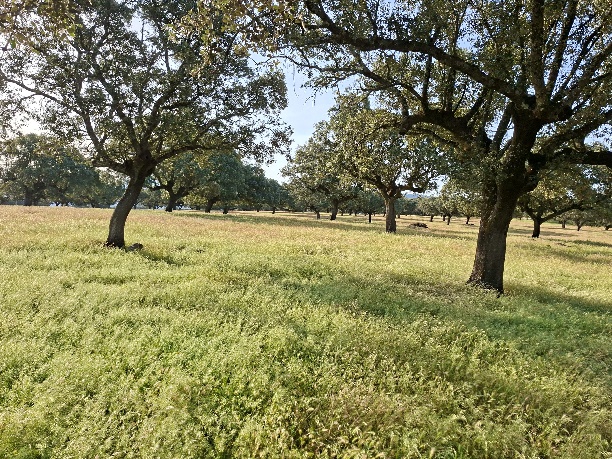
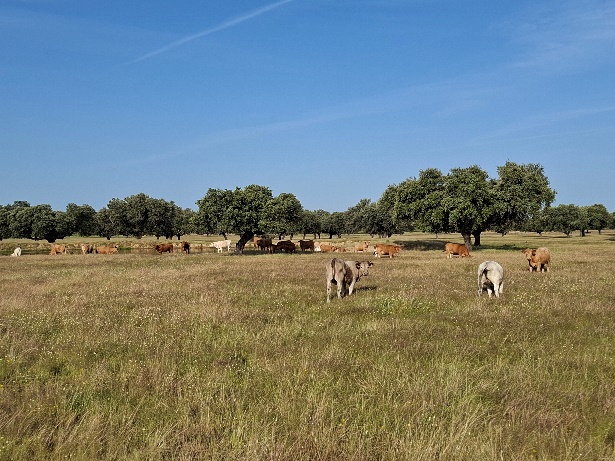
The dehesa itself (photos below) exemplifies agroecological principles through the integration of oak woodland, grazing livestock and low-input management. More broadly, Extremadura’s mosaic of dehesa, olive groves, cherry orchards and local food networks creates favourable conditions for agroecological approaches at both farm and territorial scales. The region is also home to growing collaboration between researchers from CICYTEX and the University of Extremadura, and local stakeholders, highlighting the lively exchange between scientific research and practical innovation in the region.
Maria Ramos García, researcher at CICYTEX and President of the scientific association ALIMENTTA, said:
“Collaboration with other organisations and individuals promoting agroecology across Europe, such as Alexander Wezel, is key to sharing experiences and realising that we face many similar challenges in advancing the agroecological transition. Extremadura is a vast region with many initiatives—some still little known—that are helping catalyse greater regional coordination of the agroecological movement.”