Advancing Agroecology was the theme of a series of events held by the Faculty of Agriculture, University of Novi Sad (FAUNS), Serbia, and bringing together specialists from ISARA Lyon, the University of Belgrade’s Faculty of Agriculture, NS Seme (Institute of Field and Vegetable Crops), the Zemun Polje Maize Institute, and Jurišić Organic Farm from Šuljam.
The program of events, developed by Agroecology Europe member Prof. Dr Srđan Šeremešić, combined lectures, discussions, and visits to local farms, and was deliberately timed to coincide with Earth Day. Šeremešić said a key achievement of the meetings was the placing of “agroecology high on the agenda of our Faculty, strengthening its role in future education and research.”
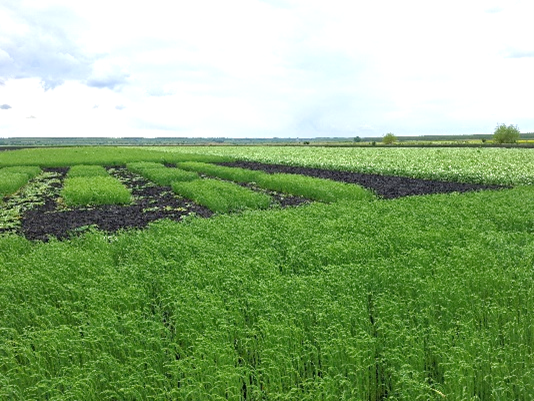
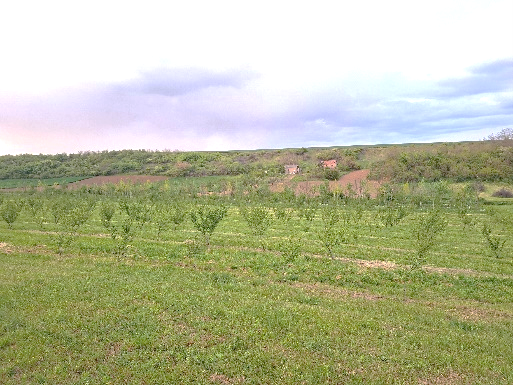
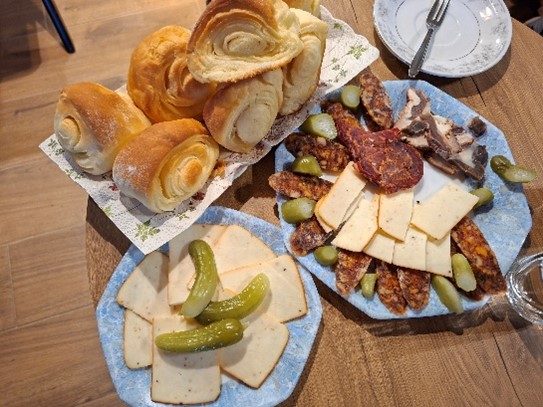
Agroecology Europe Association President Alexander Wezel spoke at the event, and observed at first hand examples of agroecological practices during the field visits. These included diversified crop rotation of flax and winter peas on a large organic farm, and agroforestry systems on a smaller-scale farm which produced the food in the photo below.
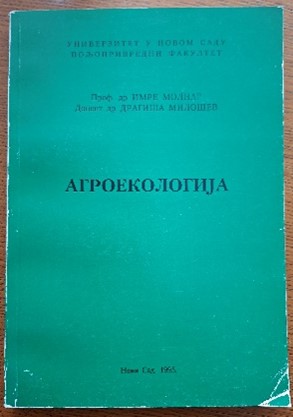
These concrete examples of agroecology are supported in Serbia, said Wezel, by extensive scientific literature. “This includes,” he writes, “a section explicitly on agroecology in a book on General Agriculture that dates back to 1962 (Stojković, 1996), probably the first ever book entitled Agroecology (Molnar and Milošev 1995), and teaching texts such as Practical Course in Agroecology (Milošev 1996) and Practicum in Agroecology (Ojača and Dolijanović 2003).”
Lively debates surrounded the issue of how to scale agroecology, including input from practitioners of both large and small-scale farming, and the combination of on-the-ground experience and robust scientific research made for a stimulating atmosphere. You can learn more through exploring Volume III of the Agroecology in Europe book series, which profiles the Faculty of Agriculture at the University of Novi Sad in the Serbia country report.